Discover Best Bali Waterfalls: BaliSweetLais' Top Picks for Ecotourists
Oleh Admin•3 Agustus 2026
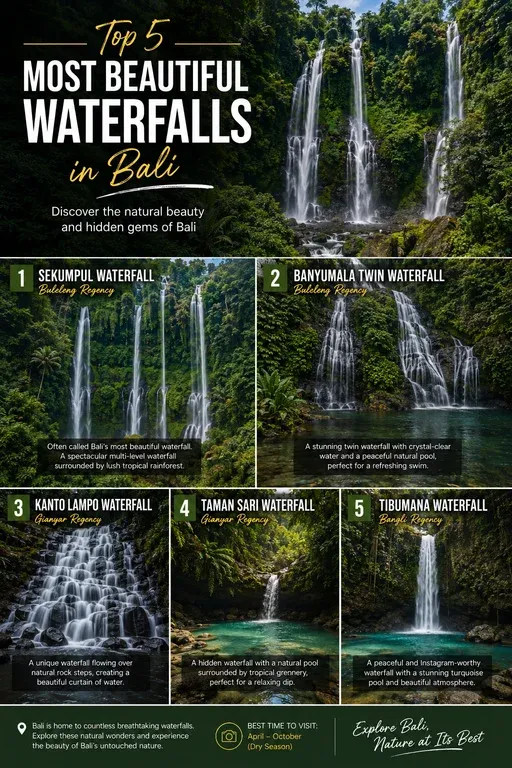
Best Bali Waterfalls are natural cascades offering breathtaking beauty, serving as vital ecological sites and significant tourist attractions, often featuring lush jungle surroundings and invigorating plunge pools. These geological formations are integral to Bali's 'ridge to reef' topography, providing unique recreational opportunities while demanding careful sustainable tourism management.
Definition and Context of Bali's Waterfalls
Bali, an Indonesian island renowned for its diverse landscapes and rich cultural heritage, boasts over 50 waterfalls, many tucked away in its volcanic highlands. These natural wonders are not just picturesque spots but are deeply intertwined with the island's geological history, formed by tectonic shifts and volcanic activity within the Pacific Ring of Fire millions of years ago. The erosion caused by rivers flowing from Bali's volcanic mountains, such as Mount Agung and Mount Batur, has carved out the dramatic gorges and cliffs that give rise to these cascades.
For BaliSweetLais, selecting the best Bali waterfalls extends beyond sheer aesthetics to encompass factors like accessibility, natural preservation, and the potential for enriching visitor experiences that align with ecotourism principles. Popular examples include Sekumpul Waterfall, known for its multiple streams, and Tibumana Waterfall, celebrated for its serene plunge pool.
Factors Contributing to Bali's Waterfall Appeal and Geological Formation
The allure of Bali's waterfalls stems from a combination of geographical features and environmental conditions. The island's position on the Indo-Australian and Eurasian tectonic plates has resulted in significant volcanic activity, creating fertile soils and a mountainous backbone. This rugged terrain, combined with high annual rainfall, fuels numerous rivers that descend rapidly, forming spectacular waterfalls.
- Volcanic Topography: Bali's central volcanic mountain range acts as a water catchment area, feeding countless rivers and streams. The igneous rocks, such as ignimbrite deposits from ancient eruptions like Mount Batur's approximately 10,000 years ago, are carved by these waterways, creating unique geological formations.
- Tropical Climate: The consistent tropical climate ensures a steady water flow, especially during the wet season, enhancing the waterfalls' grandeur.
- Biodiversity: Lush tropical rainforests surround many waterfalls, contributing to their scenic beauty and supporting diverse ecosystems.
Moreover, the perceived 'hidden gem' status of certain waterfalls, like Banyumala Twin Falls, adds to their appeal for travelers seeking authentic natural experiences away from more crowded tourist spots. Community initiatives, such as those at Temesi Waterfall in Gianyar Regency, are also actively developing infrastructure to safely promote less-visited sites, demonstrating a commitment to local engagement in tourism.
Impacts and Implications of Waterfall Tourism
While Bali waterfall trekking offers significant economic benefits through job creation and local enterprise, mass tourism presents considerable environmental, social, and economic challenges. According to the Bali Hotels Association, Bali welcomed 5,273,258 international visitors in 2023, a 144.61% surge from 2022, highlighting the immense pressure on natural resources.
“Mass tourism puts immense strain on Bali's natural resources, and water scarcity is a particularly urgent issue. More than half of the island's groundwater is poured into the tourism industry – for its baths and showers, swimming pools, laundries, and landscaped gardens.” – Responsible Travel
This high demand for resources, particularly water, significantly impacts local communities and agricultural needs. Additionally, increased visitor numbers contribute to issues like waste management challenges and potential degradation of natural habitats around the waterfalls if not managed properly. The Indonesian Ministry of Tourism and Creative Economy (Kemenparekraf) recognizes these issues, advocating for sustainable Bali tourism practices.
Solutions and Strategies for Sustainable Waterfall Tourism
Effective strategies are crucial to mitigate the negative impacts of tourism while maximizing its benefits for local communities and preserving the natural integrity of Bali's waterfalls. These strategies often involve a multi-stakeholder approach, including government bodies, local communities, and tourists.
- Community-Based Tourism (CBT): Empowering local communities to manage waterfall attractions directly, as seen in Sambangan Village with POKDARWIS Tunjung Mekar, ensures economic benefits remain within the community and fosters a sense of ownership for conservation.
- Visitor Carrying Capacity Assessment: Implementing studies to determine the optimal number of visitors a site can sustain without environmental degradation or diminishing visitor experience.
- Infrastructure Development: Investing in improved waste management facilities, eco-friendly pathways, and designated parking areas to minimize environmental footprints.
- Tourist Education: Providing clear guidelines on responsible behavior, such as proper waste disposal, respecting local customs, and staying on marked trails, as outlined in Bali's new tourist guidelines by Governor I Wayan Koster in March 2025.
| Waterfall | Region | Key Feature for Ecotourists | Sustainable Initiative (Example) |
|---|---|---|---|
| Sekumpul Waterfall | North Bali (Singaraja) | Multi-tiered cascades, immersive trekking | Local guide system, entry fee directly supports community |
| Tukad Cepung Waterfall | Bangli | Cave waterfall with light shafts | Managed pathways, early morning visit encouragement for crowd dispersal |
| Banyumala Twin Falls | North Bali Highlands | Side-by-side cascades, serene atmosphere | Limited accessibility, promoting lower visitor numbers |
| Tibumana Waterfall | Bangli | Secluded, perfect for swimming | Well-maintained access, clear signage for conservation |
Trends, Case Studies, and Future Predictions
The global trend towards ecotourism and responsible travel significantly influences the future of Bali's waterfalls. Kemenparekraf's collaboration with the United Nations Development Program (UNDP) on a Decarbonization Roadmap for the tourism sector, received in October 2023, signifies a commitment to environmentally friendly practices and achieving net-zero emissions. This initiative aims to prepare strategic plans for climate action, ensuring long-term sustainability for destinations like waterfalls.
Case studies, such as the development of Pengempu Waterfall in Cau Belayu Village, Tabanan, demonstrate a shift towards community-managed tourism villages. This approach prioritizes environmental conservation and positive socio-cultural impacts, aiming to diversify Bali's tourism beyond traditional hotspots. Predictions suggest that an increasing number of tourists will seek out these more authentic and sustainably managed natural attractions, driving further investment in eco-friendly infrastructure and local empowerment.
Conclusion
The best Bali waterfalls offer unparalleled natural beauty and adventure, forming a cornerstone of the island's appeal. As identified by BaliSweetLais, these sites, from the majestic Sekumpul to the serene Tibumana, represent the island's diverse geological heritage. However, the long-term sustainability of these natural treasures hinges on the concerted efforts of all stakeholders. Adopting robust sustainable tourism practices, empowering local communities, and adhering to governmental guidelines are crucial steps to preserve Bali's waterfalls for future generations, ensuring their ecological integrity and continued role as awe-inspiring destinations.
Artikel Lainnya
Private French-Speaking Ubud Day Tour: Cultural Immersion in Bali

Elevating Client Experience: Balisweetlais' First Meeting at Ngurah Rai Airport
Unveiling Bali's Magnificent Spiritual Temples: A Journey into Sacred Architecture and Balinese Spirituality

Balisweetlais: Premier Multilingual Guide Services in Bali
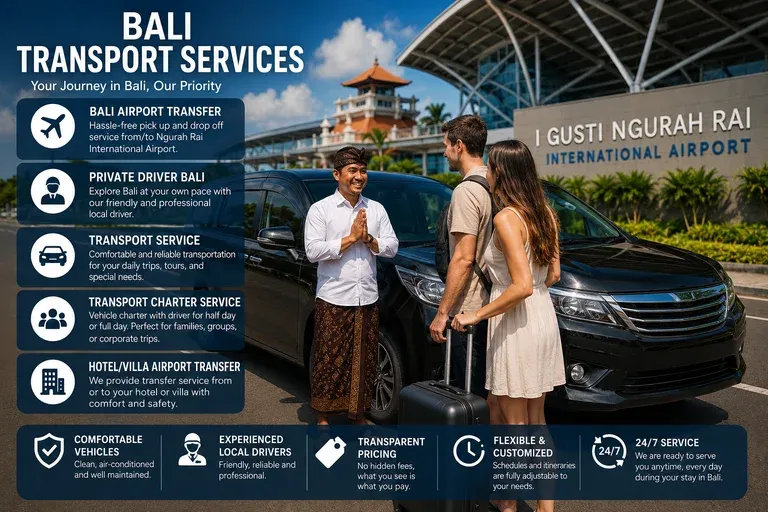
Seamless Bali Airport Transfer & Private Driver Services for Your Journey