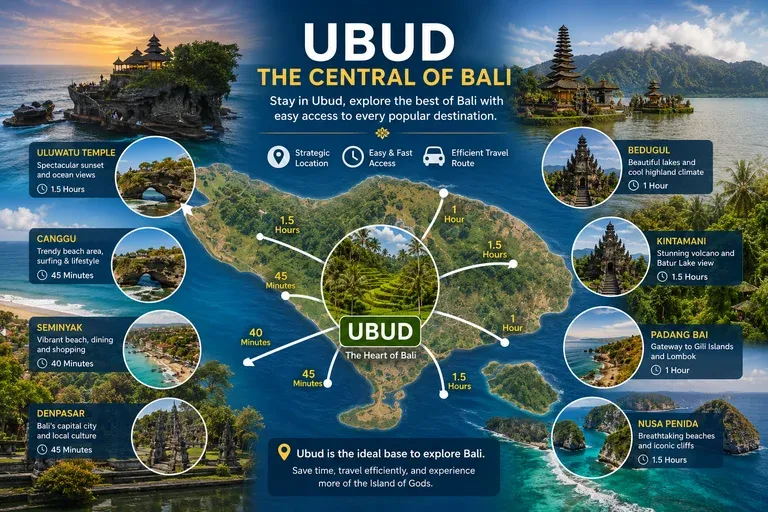
Unveiling Bali's Magnificent Spiritual Temples: A Journey into Sacred Architecture and Balinese Spirituality
Oleh Admin•3 Agustus 2026
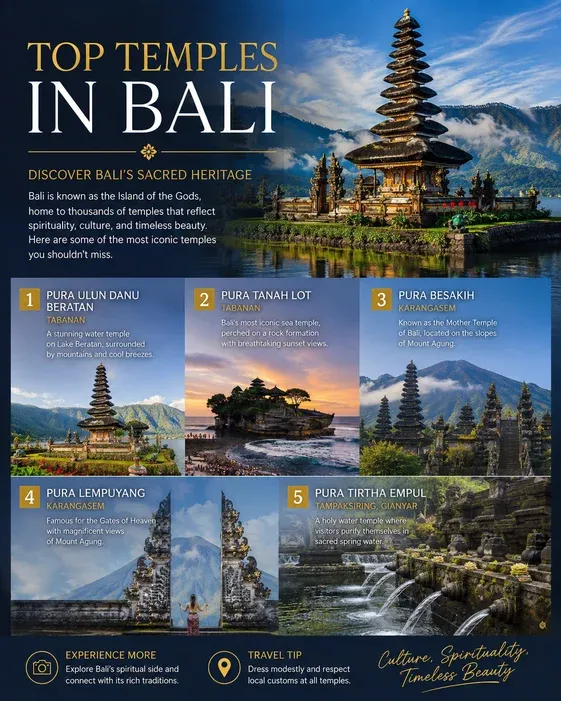
Bali's Magnificent Spiritual Temples are revered Hindu sanctuaries, epitomizing the island's unique Agama Tirta (religion of holy water) through their profound spiritual significance and breathtaking traditional architecture. These sacred sites feature multi-tiered shrines, ornate gateways, and expansive courtyards, serving as vital centers for communal rituals and individual spiritual reflection.
Defining Bali's Magnificent Spiritual Temples and Their Context
Bali, often called the “Island of the Gods,” is home to over 20,000 temples, known locally as pura, each deeply interwoven with the fabric of Balinese Hinduism, or Agama Hindu Dharma. These temples are not merely architectural marvels but living embodiments of the Tri Hita Karana philosophy—harmony between humans, nature, and the divine. The significance of these sites extends beyond their physical beauty, acting as focal points for daily offerings, elaborate ceremonies, and the continuous spiritual journey of the Balinese people.
Architectural Grandeur and Sacred Pura Bali Architecture
The Sacred Pura Bali Architecture is deeply rooted in ancient Hindu principles, with each temple designed as an open-air place of worship enclosed by walls, connected through intricately decorated gates. The layout typically adheres to the Tri Mandala concept, dividing the compound into three progressively sacred zones: Nista Mandala (outer zone), Madya Mandala (middle zone), and Utama Mandala (holiest inner zone). Key architectural elements include the majestic candi bentar (split gate) and the elaborate kori agung (main gate leading to the holiest area), along with multi-roofed towers known as meru, symbolizing Mount Meru, the cosmic mountain. Dedicated shrines like the padmasana honor Sang Hyang Widhi Wasa, the supreme deity.
The Sacred Landscape: Key Pura and Their Unique Appeal for a Spiritual Journey Bali Temples
For those undertaking a spiritual journey Bali temples offer diverse experiences, each possessing unique historical and spiritual depth. BaliSweetLais, in its curated selection, highlights puras renowned for both their physical magnificence and profound spiritual energy.
Pura Besakih: The Mother Temple
Nestled on the slopes of Mount Agung, Pura Besakih is Bali's largest and holiest complex, regarded as the 'Mother Temple' for over a thousand years. Dating back to at least the 10th century, some historical records even suggest its establishment around the 8th century AD. This sprawling complex of 23 temples is dedicated to the Hindu trinity: Brahma, Vishnu, and Shiva. Its dramatic location and intricate architecture make it a paramount pilgrimage destination, attracting devotees seeking blessings for prosperity and spiritual renewal.
Pura Luhur Uluwatu: Clifftop Sanctuary
Perched on a dramatic 70-meter-high limestone cliff overlooking the Indian Ocean, Pura Luhur Uluwatu is one of Bali's six key directional temples (Sad Kahyangan), guarding the island's southwestern coast against negative spiritual forces. Its origins trace back to the 9th century, with significant expansion attributed to Mpu Kuturan in the 11th century and Dang Hyang Nirartha in the 16th century, who added the crucial padmasana shrines. The temple is dedicated to Shiva Rudra, the god of transformation and dissolution. The resident macaques are considered sacred guardians of the temple grounds.
Pura Ulun Danu Beratan: Temple on the Lake
Located in the serene Bedugul highlands, Pura Ulun Danu Beratan is famous for its picturesque setting on the shores of Lake Beratan, often appearing to float on the water. Built in 1633 by the King of Mengwi, I Gusti Agung Putu, this water temple is dedicated to Dewi Danu, the goddess of lakes, rivers, and water, crucial for agricultural prosperity through Bali's ancient subak irrigation system. It plays a central role in appeasing Dewi Danu to ensure a steady water supply for the island's rice fields. The 11-storey pelinggih meru within the complex is dedicated to Shiva and his consort Parvathi.
Preservation, Regulation, and Sustainable Tourism for Sacred Sites
The preservation of Bali's magnificent spiritual temples and their surrounding cultural landscapes is a critical endeavor involving governmental bodies, local communities, and international organizations. The Indonesian Ministry of Tourism and Creative Economy (Kemenparekraf) actively supports the conservation and promotion of these sites, recognizing their role in cultural diplomacy and sustainable tourism. Efforts focus on balancing tourist access with the need to maintain the spiritual sanctity and structural integrity of the temples.
"Restoration and conservation efforts will not only preserve historic sites but also elevate their appeal as tourist attractions, contributing significantly to the cultural and spiritual tourism ecosystem." - Nia Niscaya, Ministry of Tourism spokesperson (July 2026).
The subak system, Bali's traditional democratic irrigation system, which integrates water temples, was recognized as a UNESCO World Heritage Site in 2012, highlighting its outstanding universal value in demonstrating harmony between humans and nature. This recognition underscores the need for sustainable practices to protect these living cultural landscapes from environmental degradation and over-tourism.
Enhancing the Spiritual Experience: Etiquette and Insights for Visitors
Visiting Bali's magnificent spiritual temples requires respect for local customs and traditions to ensure a meaningful experience for both visitors and local worshippers. Adhering to temple etiquette is crucial for preserving the sacred atmosphere.
- Dress Code: Both men and women must wear a sarong (kamen) and a sash (selendang) around the waist, with shoulders covered. These are often available for rent at temple entrances.
- Conduct: Maintain a low voice, avoid pointing feet at altars or shrines, and refrain from stepping over offerings on the ground.
- Restrictions: Women who are menstruating are respectfully asked not to enter temples due to beliefs about ritual impurity.
- Photography: Photography is generally allowed in outer areas, but avoid taking selfies inside inner sanctums, using flash during ceremonies, or climbing sacred structures.
- Donations: A small donation (typically IDR 30,000–50,000) helps with temple upkeep and supports local communities.
The Future of Bali's Sacred Sites: Trends and Challenges
The future of Bali's magnificent spiritual temples hinges on adaptive strategies to manage the increasing pressures of tourism and environmental change. Trends include a growing interest in spiritual tourism and regenerative tourism, where visitors actively contribute to conservation and community well-being. Challenges involve maintaining authentic spiritual experiences amidst commercialization, mitigating environmental impacts from increased foot traffic, and securing funding for ongoing preservation and restoration efforts, as seen in initiatives like the planned restoration of Prambanan Temple. Balancing economic benefits with cultural and ecological integrity remains a paramount concern for stakeholders across Bali.
Conclusion: The Enduring Allure of Bali's Spiritual Sanctuaries
Bali's magnificent spiritual temples stand as powerful testaments to a vibrant cultural heritage and deeply rooted spiritual beliefs. These sacred puras, with their intricate architecture and profound significance in Balinese Hinduism, continue to inspire awe and facilitate a unique spiritual journey for all who visit. By embracing responsible tourism and respecting the sacred traditions, visitors can help ensure these magnificent spiritual temples remain revered sanctuaries for generations to come, preserving the soul of Bali.
Artikel Lainnya
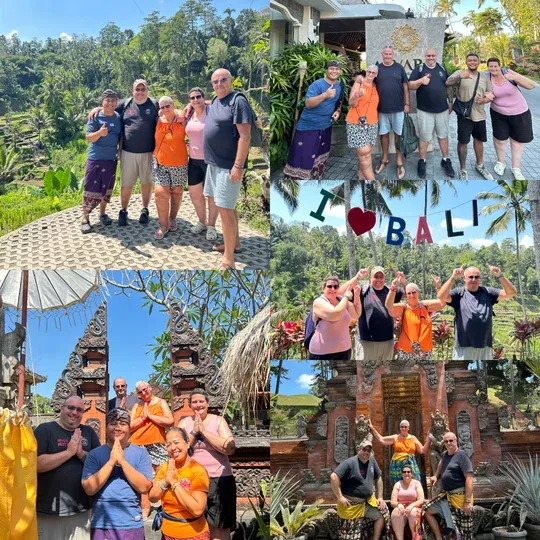
Private French-Speaking Ubud Day Tour: Cultural Immersion in Bali
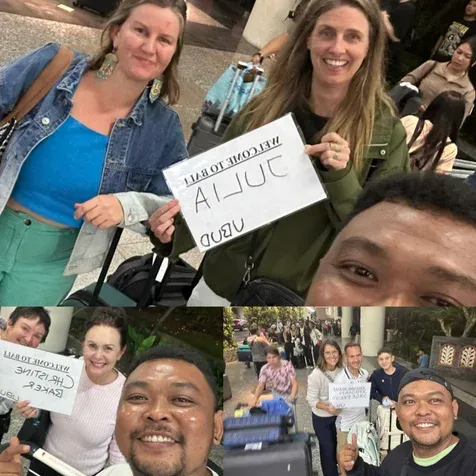
Elevating Client Experience: Balisweetlais' First Meeting at Ngurah Rai Airport

Discover Best Bali Waterfalls: BaliSweetLais' Top Picks for Ecotourists

Balisweetlais: Premier Multilingual Guide Services in Bali

Seamless Bali Airport Transfer & Private Driver Services for Your Journey